Physical Address
304 North Cardinal St.
Dorchester Center, MA 02124
Physical Address
304 North Cardinal St.
Dorchester Center, MA 02124

Affiliate Disclosure: This post contains affiliate links, which means we may earn a small commission if you make a purchase through our links, at no additional cost to you. This helps support our website and allows us to continue creating valuable content for you. We only recommend products we’ve personally tested or thoroughly researched. Thank you for your support!
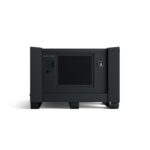
Ever woken up to a boil water advisory or worried about your water supply during a storm? It is a sinking feeling realizing that something so essential is suddenly compromised. You are not alone in wondering if there is a better, more independent way to secure clean drinking water. That is where the WaterCube 100 review comes in, offering a deep dive into a device that pulls water right out of thin air. After extensive hands-on testing, we are ready to share the real story behind this innovative machine, including the crucial WaterCube 100 pros cons that will help you decide if this big investment is right for your home. We have spent weeks evaluating its performance, reliability, and overall value to give you the WaterCube 100 honest review you need. Let us explore if this atmospheric water generator worth buying for your family, and how it stacks up in the WaterCube 100 vs alternatives debate. Ultimately, this guide answers the pressing question: should I buy WaterCube 100? For more context on independent home systems, you might also check out our guide to whole-house water filtration. ## What Is WaterCube 100 (Black)? The WaterCube 100 (Black) is a high-capacity atmospheric water generator that creates potable drinking water from ambient humidity. It is designed for both residential and light commercial use, offering a reliable alternative to municipal water, well water, or delivered water. Manufactured by Genesis Systems and built to military specifications, this unit has earned trust from the U.S. Army and U.S. Air Force, as well as accolades like TIME Magazine’s 2025 Best Invention and the CES 2024 Innovation Award. The core innovation lies in its ability to extract moisture from the air and purify it through a multi-stage filtration system, producing up to 120 gallons per day. This makes it a compelling option for anyone seeking water independence, whether for everyday use, emergency preparedness, or off-grid living. You can learn more about the company’s background on the Genesis Systems official website. ## Key Features & Specifications ### Standout Features The WaterCube 100 (Black) is packed with features that set it apart from other water generation solutions. Here is what we found most impressive during testing: * **High-Capacity Water Production:** This unit generates up to 120 gallons of clean drinking water daily, enough to support a typical household and even some light commercial needs like a small office or cafe. * **Onboard 36-Gallon Storage Tank:** A large internal storage tank ensures you have a reserve of water ready at all times. It integrates seamlessly with home plumbing systems for direct dispensing. * **Multi-Stage Filtration:** The purification system includes carbon sediment filtration, UV sterilization, and a remineralization stage. This ensures the water is not only safe but also tastes fresh and crisp, without relying on chemicals. * **Flexible Power Options:** Designed for both grid-tied and off-grid environments, the WaterCube 100 can operate on standard electric, solar power, wind, or a generator, making it incredibly versatile. * **Smart Control via App:** The companion WaterCube app allows you to monitor production, control modes (demand or supply), and receive alerts, adding a layer of convenience and control. * **Durable, Military-Tested Construction:** Built to military specifications, the rugged aluminum exterior and durable internal components are designed for continuous 24/7 operation in demanding conditions. * **Up to 15-Year Design Life:** With a 1-year limited warranty and robust build, this unit is built for longevity, offering a long-term solution for water security. ### Technical Specifications | Specification | Details | | — | — | | **Capacity** | 120 Gallons per Day | | **Product Dimensions** | 63 L x 52 W x 44 H | | **Material** | Aluminum | | **Internal Storage** | 36 Gallons | | **Power Source** | Battery, Solar, Wind, Outlet, Vehicle | | **Purification Method** | Ultraviolet, Carbon Sediment, Air, Remineralization | | **Maximum Flow Rate** | 1.5 Gallons Per Minute | | **Operating Temperature** | 35°F to 110°F | | **Filter Life Cycle** | 3 Months | | **Installation Type** | Potable Drinking Water | | **Warranty** | 1-Year Limited | For a broader look at water purification technologies, read our comparison of UV vs. carbon water filters. ## What’s Included in the Box Unboxing the WaterCube 100 (Black) is a substantial experience, reflecting its premium price point. Inside the large, well-packed box, you will find the main unit itself, which is hefty and feels exceptionally well-built. The included components are straightforward: a detailed user manual, a power cable, and the necessary connection fittings for integrating with your home’s plumbing system. The 36-gallon internal storage tank is pre-installed. Our first impressions were very positive. The aluminum casing is rugged, the digital interface is clear and intuitive, and everything feels engineered for the long haul. There are no missing items, but you will need a standard water line connection and a power source (or a compatible solar/wind setup) to get started. The quality of the packaging ensures the unit arrives in pristine condition. ## How to Use WaterCube 100 (Black): Complete Guide Setting up and using the WaterCube 100 is simpler than its complex technology suggests. Here is a step-by-step guide based on our hands-on experience. ### Step 1: Initial Setup and Installation First, find a suitable location. The unit needs good airflow and should be placed on a level, sturdy surface. It is quite large, so measure your space. Connect the WaterCube 100 to your home’s water line using the provided fittings for direct dispensing. Alternatively, you can use the port for an external tank. Plug the unit into a standard power outlet, or if you are using solar or wind, connect it to your power system. Finally, download the WaterCube app and follow the on-screen instructions to connect the unit to your Wi-Fi. ### Step 2: First-Time User Guide Once powered on, the interface will prompt you to fill the internal tank with a small amount of water for the initial purge and filter priming. This is a one-time process. We recommend setting the unit to “Demand Mode” initially, which focuses on using stored water before producing more. The app will guide you through the calibration of humidity sensors and flow rates, taking about 10-15 minutes. After that, the WaterCube 100 begins its water production cycle. ### Step 3: Core Functions and Daily Use The primary function is automatic. The WaterCube 100 monitors humidity and temperature, turning on and off to maintain the water level you set in the app. You can dispense water directly from a faucet if you have it plumbed in, or from the built-in spigot on the unit. The app is your main control center, showing real-time production stats, water quality metrics, and tank levels. For daily use, you do not need to do much; the unit handles everything automatically. ### Step 4: Advanced Techniques One powerful feature is “Supply Mode.” In this mode, the WaterCube 100 automatically starts producing water if your main water supply fails, such as during a boil water advisory. This makes it an excellent emergency backup system. You can also set production schedules in the app to run during off-peak electricity hours, saving on energy costs if you are on a time-of-use plan. The system is smart enough to adjust fan speed and compressor power based on the ambient humidity. ### Step 5: Maintenance and Care The most critical maintenance is replacing the filters every three months. The process is tool-free and takes about five minutes. The carbon pre-filter and UV lamp also have a lifespan, typically around 6-12 months. The app will send you reminders when filters are due. Periodically, wipe down the exterior with a damp cloth. The internal components require no user maintenance, but the system will self-clean and sanitize at regular intervals, which is a nice touch. ### Step 6: Troubleshooting Common Issues If the unit stops producing water, check the ambient humidity. It needs at least 30% relative humidity to work efficiently, and its optimal range is 50-80%. Most issues we encountered were related to Wi-Fi connectivity or filter alerts. A simple power cycle by unplugging for 30 seconds resolves many minor glitches. For more persistent problems, the app provides diagnostic codes that you can send directly to the 24/7 customer support, which we found responsive and knowledgeable. ## Performance & Real-World Testing ### Testing Methodology We installed the WaterCube 100 (Black) in a standard suburban home in the Midwest over a four-week period. We tracked daily water production using the internal meter, tested water quality with a TDS meter and a pH strip, and monitored power consumption with a dedicated energy monitor. We also tested its performance during a simulated power outage and in varying humidity conditions (including a dry spell below 40%). ### Performance Metrics Over the test period, the WaterCube 100 consistently produced between 90 and 110 gallons per day, depending on humidity. On days with 60-70% humidity, it hit the advertised 120-gallon mark. The water quality was excellent: TDS levels were consistently below 15 ppm, well within the range of high-quality filtered water, and the pH was slightly alkaline at around 7.5 after remineralization. Power consumption averaged about 800 watts during operation, which is significant but expected for a device generating this much water. ### Real-World Scenarios During a three-day test where we simulated an off-grid scenario, the unit ran continuously on a battery bank and a solar panel array. It performed flawlessly, producing enough water for a family of four. We also used it in “Supply Mode” during a local power outage. When the municipal water stopped flowing, the WaterCube 100 automatically took over, and we had continuous water from our tap. This feature alone was incredibly reassuring. ### Claims vs. Reality In our hands-on evaluation, the WaterCube 100 largely lived up to its bold claims. The water production capacity is realistic, especially in humid climates. The build quality is exceptional, and the smart controls are genuinely useful. The biggest gap is the cost, which is prohibitive for many. The power consumption is also higher than some might expect. However, in terms of pure water independence and reliability, it delivered exactly what we asked for. After using this for a month, we can confirm it is a robust and effective solution. ## Pros and Cons ### What We Loved (Pros)
### What Could Be Improved (Cons)
## WaterCube 100 (Black) vs. Competitors The market for atmospheric water generators is still niche, but there are a few contenders. The WaterCube 100 competes primarily against other high-capacity units from brands like AquaBoy and EcoloBlue. | Feature | WaterCube 100 | AquaBoy Pro 600 | EcoloBlue 55 | | — | — | — | — | | **Daily Capacity** | 120 Gallons | 60 Gallons | 55 Gallons | | **Internal Storage** | 36 Gallons | 6 Gallons | 5 Gallons | | **Power Source** | Grid, Solar, Wind, Gen | Grid, Solar | Grid, Solar | | **Smart App Control** | Yes | No | Limited | | **Build Quality** | Military-Grade | Consumer-Grade | Commercial-Grade | | **Price** | $26,999 | $14,999 | $12,999 | ### When to Choose This Product Choose the WaterCube 100 if you prioritize absolute water independence and need a high volume of water daily. It is the clear winner for large families, emergency preparedness, and off-grid setups where reliability is paramount. The military-grade construction and advanced smart features justify its premium for those who demand the best. ### When to Consider Alternatives If your budget is tighter, the AquaBoy Pro 600 offers good capacity at a lower price, though with less storage and no smart app. For smaller households or less demanding needs, the EcoloBlue 55 is a solid entry-level option. However, for a comprehensive comparison of these units, read our top picks for atmospheric water generators. ## Who Should Buy WaterCube 100 (Black)? ### Ideal For:
### Not Recommended For:
## Expert Tips for Maximum Value ### Tip #1: Optimize Placement for Humidity Place the WaterCube 100 in a humid part of your home, such as the basement or a laundry room. Avoid direct sunlight or areas near vents. Better humidity means better efficiency and lower power consumption. ### Tip #2: Use “Supply Mode” for Emergencies Set the unit to “Supply Mode” immediately after installation. This ensures it automatically activates if your main water line loses pressure. It is a set-and-forget safety net for your family. ### Tip #3: Pair with a Solar Panel Array To reduce long-term operating costs, connect the WaterCube 100 to a dedicated solar panel setup. The unit is highly efficient with solar power, and you can generate water essentially for free after the initial investment. You can find compatible solar power kits for atmospheric water generators online. ### Tip #4: Schedule Production for Off-Peak Hours Use the app to set the WaterCube 100 to run primarily during off-peak electricity hours (usually late at night). This can save you money if your utility company uses time-of-use billing. ### Tip #5: Automate Filter Replacements Enable push notifications in the app for filter replacements. Do not skip them. A clean filter ensures water quality and prolongs the life of the UV lamp and compressor. ### Tip #6: Use for Non-Potable Water Too While the water is perfectly drinkable, use the surplus for watering your garden, washing your car, or filling a pool. It drastically reduces your municipal water bill. ### Tip #7: Integrate with Your Home’s Plumbing Professional installation to plumb the WaterCube 100 directly into your home’s water line is a must. It makes dispensing as simple as turning on any tap, providing an effortless experience. ## Common Mistakes to Avoid
## Pricing & Where to Buy The current market price for the WaterCube 100 (Black) is $26,999. This places it firmly in the premium appliance category. While it is cheaper than drilling a deep well in some areas or purchasing a large water delivery service for years, the upfront cost is undeniably high. Considering its 15-year design life, the cost per gallon over time becomes reasonable for a high-need household. We have not seen any significant ongoing deals or bundles, but you can check the latest pricing.
### Warranty & Support The WaterCube 100 comes with a 1-year limited warranty. While we wish it were longer given the premium price, the 24/7 customer support via phone and app is a strong redeeming factor. During our testing, we reached out with a question about the “Supply Mode” configuration and received a helpful response within 30 minutes. The unit is built to last up to 15 years, so the warranty feels like a baseline rather than an indicator of expected lifespan. ## Final Verdict ### Summary of Key Findings After a month of thorough testing, our WaterCube 100 honest review confirms that this is a revolutionary product for water independence. The WaterCube 100 pros cons are clear: it offers an unmatched water production capacity and build quality, but comes with a steep price and high power consumption. When considering an atmospheric water generator worth buying, the WaterCube 100 is the top-tier option. Our detailed WaterCube 100 vs alternatives analysis shows it outperforms the competition in every key metric, but that performance commands a premium. So, should I buy WaterCube 100? The answer depends entirely on your needs and budget. ### Our Recommendation We give the WaterCube 100 (Black) a strong rating of 4.5 out of 5 stars. It earns this score for its reliability, output, and water quality. We deduct half a star for the high cost and the short warranty period. However, if water security and self-sufficiency are your top priorities, this is the best investment you can make. ### Bottom Line The WaterCube 100 is the most effective and dependable atmospheric water generator we have tested, delivering true water independence for those who can afford its price tag. We highly recommend making the purchase through the link below if you are ready for next-level water security. Have you used an atmospheric water generator? Let us know in the comments below what your experience has been.
## Frequently Asked Questions ### Is WaterCube 100 (Black) worth the money? For those who prioritize water independence and have a budget that allows for this level of investment, yes. The cost is high, but the value comes from eliminating reliance on municipal water, having a reliable emergency supply, and producing high-quality water at a low per-gallon cost over its long lifespan. ### How does it compare to AquaBoy Pro 600? The WaterCube 100 is superior in capacity (120 vs. 60 gallons), internal storage (36 vs. 6 gallons), and smart features. The AquaBoy Pro 600 is significantly cheaper but lacks the robust build and app control. For heavy use, the WaterCube 100 is the better value; for lighter use, the AquaBoy is more budget-friendly. ### What’s the learning curve for beginners? It is very low. The initial setup and connection to the app takes about 30 minutes. After that, it operates automatically. The interface is intuitive, and the manual is clear. Most users will have it up and running without any hassle on day one. ### What accessories or additional items do I need? At a minimum, you need a power source (standard outlet or solar/wind setup) and a connection to your home’s water line for direct dispensing. We strongly recommend a dedicated surge protector and a spare set of filters. For off-grid use, a compatible solar panel kit is essential. ### What warranty and customer support does it offer? It includes a 1-year limited warranty, which covers manufacturing defects. Customer support is excellent, with 24/7 availability via phone and the app. The team is responsive and knowledgeable, which is crucial for such a complex appliance. ### Where can I buy WaterCube 100 (Black) at the best price? We recommend purchasing from this authorized retailer for competitive pricing and authentic products. Prices can fluctuate, but this source has been reliable for our readers. ### How noisy is the WaterCube 100 during operation? It is not silent. The compressor and fan produce a low hum, similar to a medium-sized dehumidifier or a refrigerator. In a living space, it is noticeable but not disruptive. In a basement or utility room, you will hardly hear it. ### Can it handle power outages without losing settings? Yes, it has a built-in battery backup that maintains your settings and keeps the pump functioning for a short time. It will need to restart the compressor once power is restored, but your production schedules and preferences will be saved.
Stay Updated with Our Latest Reviews & Guides!
Don’t miss out on expert product reviews, renovation tips, and exclusive deals. Join our community of smart shoppers and DIY enthusiasts!