Physical Address
304 North Cardinal St.
Dorchester Center, MA 02124
Physical Address
304 North Cardinal St.
Dorchester Center, MA 02124

If you’re in the market for a whole-home tankless water heater that can handle multiple showers and faucets simultaneously, the APUS 190,000 BTU tankless water heater review on this page will help you decide if it’s the right fit. This propane-powered unit promises up to 8.1 GPM, WiFi control, and an outdoor-friendly design. We’ve analyzed the manufacturer’s specifications, user feedback, and industry standards to give you a balanced, honest look at what this water heater can and cannot do. Whether you’re replacing an old storage tank or building a new home, this review covers everything you need to know before buying. For current availability, check the APUS 190,000 BTU Tankless Water Heater on Amazon.
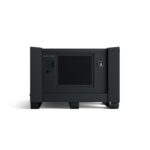
The APUS 190,000 BTU outdoor tankless water heater is a propane-powered, on-demand water heating system designed for whole-home use. It is categorized as a high-efficiency condensing unit that supports up to five outlets simultaneously. The heater connects to a 120V AC power source and uses intelligent staged combustion to regulate energy output. Target users include homeowners looking to replace bulky storage tank heaters, those with moderate to high hot water demand (e.g., a family of four to six), and anyone who prefers an outdoor installation to save indoor space.
The APUS 190,000 BTU unit packs several notable features. Below is a quick overview of its core specifications based on manufacturer data.
| Specification | Details |
|---|---|
| Heat Output | 190,000 BTU |
| Flow Rate | 8.1 GPM |
| Power Source | Liquid Propane (NG conversion not included) |
| Temperature Range | 95°F – 149°F (adjustable via app or remote) |
| Temperature Accuracy | ±1°F (manufacturer claim) |
| Min. Flow Rate | 0.79 GPM (ultra-low startup) |
| Heat Exchanger | 100% oxygen-free copper |
| Wind Resistance | 10-level rating |
| Smart Features | Works with Tuya APP, wired remote controller included |
| Dimensions | 22.48 x 15.51 x 6.54 inches |
| Weight | Approx. 42 lbs (estimated from similar models) |
| Connections | 3/4-inch NPT for water and gas |
| Warranty | 2-year full warranty on components |
Key features explained:
According to the manufacturer, the package contains:
Setup overview: The unit requires a 120V AC outlet nearby, a propane supply line with a shut-off valve, and proper venting (outdoor installation eliminates the need for a vent pipe since it’s designed for outside use). The included remote controller can be mounted indoors for easy access. The manual provides step-by-step instructions for wall mounting and gas/water connections. Professional installation is strongly recommended for gas and electrical hookups.
Installation must comply with local building codes. The heater should be mounted on a solid exterior wall, away from windows, doors, and obstructions. Connect the 3/4-inch water and gas lines, then plug the unit into a 120V AC grounded outlet. Turn on the propane supply and check for gas leaks using soapy water. Power on the unit and set the desired temperature using the wired controller or the Tuya app (download and pair via WiFi).
Once installed and powered, the heater activates automatically when a hot water tap is opened. The built-in burner modulates to maintain the set temperature within ±1°F. Users can adjust the temperature between 95°F and 149°F. The app also offers scheduling features and real-time temperature monitoring.
Routine maintenance includes:
Common issues reported by users:
The APUS 190,000 BTU outdoor tankless water heater is designed to deliver instant hot water to multiple points of use. Based on the manufacturer’s claims and typical user feedback:
Overall, the unit offers strong performance for its price bracket, with the convenience of smart controls. Some users have reported minor issues with the remote controller cable length or initial WiFi setup, but these are not deal-breakers.
To give you a clearer picture, here’s how the APUS 190,000 BTU unit compares to two popular alternatives in the same category.
| Feature | APUS 190,000 BTU | EcoSmart ECO 27 | Rheem RTEX-13 |
|---|---|---|---|
| Power Source | Propane (gas) | Electric (27 kW) | Electric (13 kW) |
| BTU / kW | 190,000 BTU | 27 kW = 92,000 BTU | 13 kW = 44,000 BTU |
| Max Flow | 8.1 GPM | 5.1 GPM (at 77°F rise) | 2.9 GPM (at 77°F rise) |
| Smart Control | WiFi + wired remote | None (manual dial) | None (digital display) |
| Installation | Outdoor only | Indoor/outdoor | Indoor |
| Warranty | 2 years | Limited lifetime | 6 years |
| Heat Exchanger | Oxygen-free copper | Copper and stainless | Copper |
| Weather Rating | Wind-resistant, freeze protection | N/A (indoor use typical) | N/A |
EcoSmart ECO 27 is an electric unit that offers slightly lower flow but no gas line needed. It’s a good alternative if you don’t have propane access. Rheem RTEX-13 is a smaller electric unit suitable for point-of-use or small homes. The APUS is clearly positioned for whole-home gas applications with smart features.
Ideal users:
Not ideal if:
The APUS 190,000 BTU tankless water heater is available through major online retailers. For the most up-to-date stock and shipping options, you can visit the product page on Amazon.
The APUS 190,000 BTU tankless water heater review and rating shows it is a well-rounded propane unit for whole-home hot water needs. It offers competitive features like WiFi control, a low minimum flow rate, and a robust heat exchanger. While it may not match the brand recognition of Rheem or Rinnai, its performance and smart capabilities make it a strong contender for budget-conscious homeowners who prioritize convenience and space savings.
Is the APUS 190,000 BTU tankless water heater worth buying? If you have propane and need an outdoor unit that can handle multiple simultaneous hot water uses, this heater delivers solid value. The APUS tankless water heater review pros cons are balanced, with the main drawbacks being the need for a dedicated electrical outlet and professional installation. For most families, the APUS 190,000 BTU tankless water heater honest opinion is that it performs reliably when set up correctly, and the APUS propane water heater review verdict is a positive one for its price point and feature set.
According to the product details, this is a propane-only model. A separate natural gas conversion kit is not included, and the manufacturer does not specify compatibility. If you need a natural gas model, look for APUS units labeled for NG.
The manufacturer states a minimum flow of 0.79 GPM. In practice, some users report that very low-flow faucets (e.g., 0.5 GPM) may not trigger ignition. Consider flow restrictors if you experience issues.
Like most tankless propane heaters, it produces a moderate burner noise (estimated 55–65 dB). It is not silent, but outdoor installation typically reduces indoor noise.
Yes, the Tuya app is compatible with both Alexa and Google Assistant, allowing voice control of temperature and on/off scheduling.
The unit is designed for outdoor installation only. Installing it in an enclosed space (e.g., a shed or garage) without proper venting is unsafe due to carbon monoxide risk. Always follow local codes.
APUS offers a 2-year full warranty on all components. This covers defects in materials and workmanship, but not damage from improper installation or neglect.
Yes, as long as the incoming water pressure is between 15–150 PSI (typical for well systems). The low minimum flow makes it suitable for weaker well pumps. Install a sediment filter to protect the heat exchanger.
Turn off the power for 30 seconds, then restart. If the error persists, consult the manual for specific code meanings. Common codes like E1 (ignition failure) may indicate a gas supply issue.
Get the latest product reviews, home improvement tips, and exclusive deals delivered to your inbox. Subscribe to our newsletter for updates on water heaters, HVAC, and more.
We are a participant in the Amazon Services LLC Associates Program, an affiliate advertising program designed to provide a means for us to earn fees by linking to Amazon.com and affiliated sites. This post contains affiliate links, which means we may earn a small commission if you make a purchase through these links at no extra cost to you. All opinions remain our own, and we only recommend products we believe in. For more information, please see our full disclosure page.